
A clogged bathroom sink is one of those problems that seems minor at first but quickly becomes annoying. Water drains slowly, toothpaste residue builds up, and before long, the sink may stop draining altogether.
The good news is that most homeowners can safely fix a bathroom sink clog without special tools or harsh chemicals.
Knowing how to unclog a bathroom sink, the right way, also helps protect your plumbing and your home. Home inspectors regularly see minor sink clogs turn into cabinet damage, leaks, and even mold issues when they are ignored for too long.
This guide explains what causes bathroom sink clogs, how inspectors recommend fixing them, and when a clog may signal something bigger.
Why Bathroom Sink Clogs Happen So Often
Bathroom sinks clog easily because everyday products leave residue behind.
According to the National Association of Realtors, plumbing defects are among the most common issues found during home inspections, and many of those issues start as simple maintenance problems.
Each time you wash your hands or brush your teeth, small amounts of debris go down the drain. Over time, those materials collect inside the pipe.
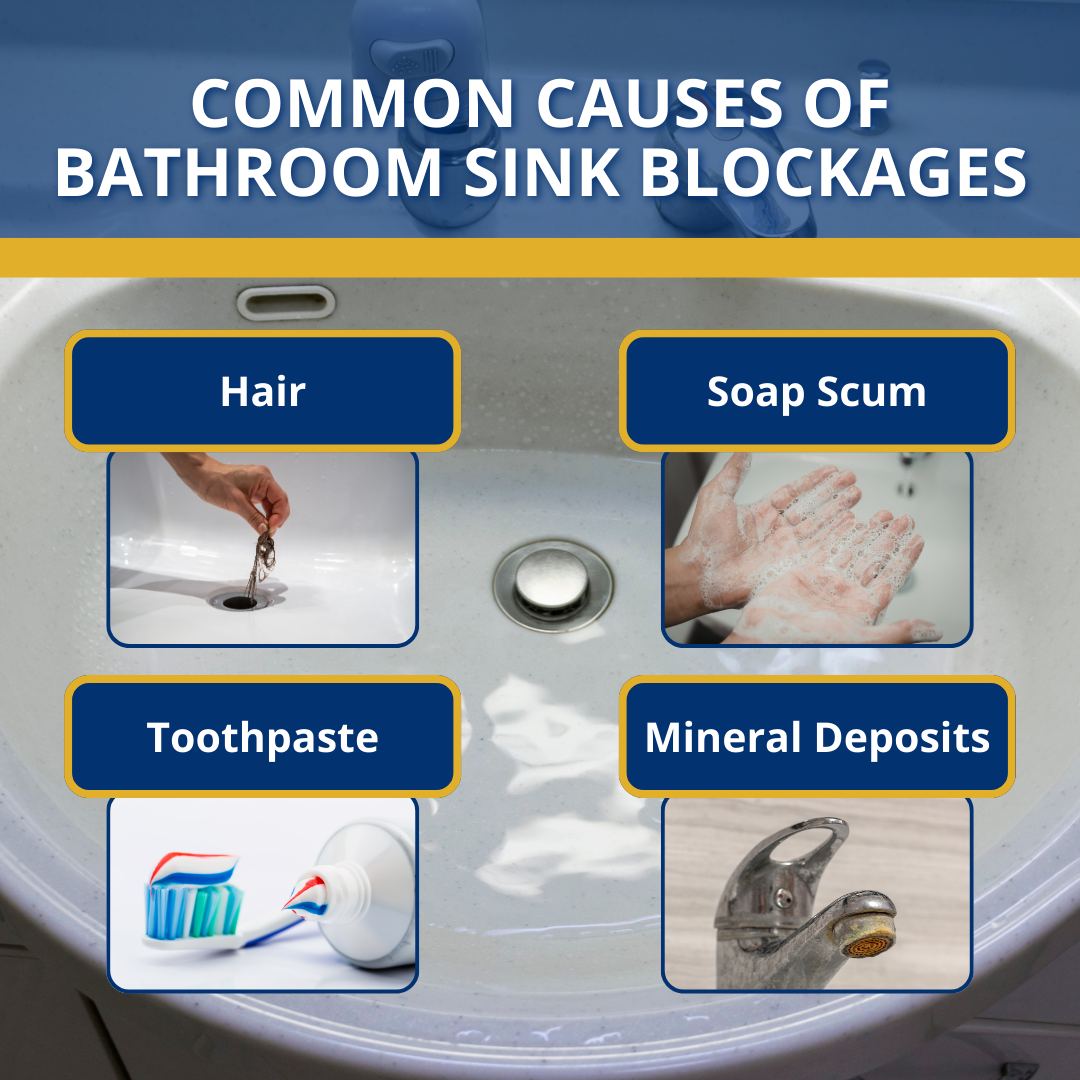
The most common causes include:
- Hair from shaving and brushing
- Soap scum that hardens inside the drain
- Toothpaste that sticks to pipe walls
- Mineral deposits from hard water
Unlike kitchen sinks, bathroom sinks usually clog slowly. Water still drains, just not as fast. Because of this, homeowners often put off fixing the problem until the clog becomes severe.
Home inspectors frequently note slow bathroom sink drainage as a sign of deferred maintenance, especially in older homes or homes with hard water.
How to Tell What Is Clogging Your Bathroom Sink
The way your sink behaves usually reveals the type of clog.
Understanding the symptoms helps you choose the most effective fix and avoid unnecessary steps.
Common Symptoms and What They Mean
- Slow drainage: Light to moderate hair and soap buildup
- Standing water: Heavy blockage in the drain or P-trap
- Gurgling sounds: Partial blockage or airflow issues
- Unpleasant odors: Organic debris trapped in the pipe
If water drains slowly but never fully back up; the clog is likely near the sink stopper. If water pools quickly and stays there, the blockage is usually lower in the drain system.
Inspectors pay close attention to these patterns because repeated symptoms can point to larger plumbing concerns.
How to Unclog a Bathroom Sink Using Home Inspector-Recommended Methods
Start with gentle mechanical methods before moving to more involved solutions.
Home inspectors recommend working from the least invasive method to more hands-on options. This protects your pipes and reduces the risk of damage.
Start With the Safest DIY Fixes
1. Boiling water
Boiling water can help loosen soap residue and light buildup. Slowly pour hot water down the drain in stages.
This works best for slow drains, not sinks filled with standing water. Avoid this method if you have fragile pipes or suspect leaks.
2. Clean the sink stopper
Most bathroom sink clogs form around the stopper assembly. Remove the stopper and wipe away hair, soap residue, and debris.
Many homeowners are surprised by how much buildup collects here.
3. Use a plastic drain snake
A plastic drain snake is one of the safest and most effective tools. Insert it into the drain, rotate gently, and pull debris out. This method physically removes clogs instead of pushing them deeper.
How to Use a Plunger on a Bathroom Sink
A plunger works when used correctly and sealed properly.
Plunging a bathroom sink is different from plunging a toilet. The key is creating suction.
Step-by-step plunger instructions
- Remove the sink stopper if possible.
- Cover the overflow opening with a damp cloth. This step is critical.
- Add enough water to cover the plunger cup.
- Place the plunger firmly over the drain opening.
- Push down gently at first, then pull up sharply.
- Repeat several times and check drainage.
Many homeowners plunge too aggressively or forget to block the overflow opening. Both mistakes reduce suction and make plunging ineffective.
Inspectors often recommend plunging only after simpler methods have failed.
Why Home Inspectors Avoid Chemical Drain Cleaners
Chemical cleaners can damage pipes and mask serious problems.
While chemical drain cleaners promise fast results, inspectors frequently see long-term damage caused by repeated use. These products can:
- Corroded metal pipes
- Weaken plastic piping
- Damage seals and joints
- Hide symptoms of larger plumbing issues
They may clear a clog temporarily, but they often create conditions for leaks later. Mechanical removal is almost always safer.
How to Clean the P Trap Safely Under the Sink
The P-trap is designed to catch debris and is often the source of a clog.
The P-trap is the curved section of pipe under your sink. It holds water to block sewer gases, but it also traps hair and debris.
Step-by-step P-trap cleaning
- Place a bucket or towel under the trap.
- Loosen the slip nuts by hand or with pliers.
- Carefully remove the trap and empty it into the bucket.
- Rinse the trap thoroughly with water.
- Check washers for cracks or wear.
- Reinstall the trap and tighten it snugly.
- Run water and check for leaks.
This method is highly effective for standing water clogs. Inspectors often recommend P-trap cleaning before calling a plumber.
How to Prevent Bathroom Sink Clogs in the Future
Consistent maintenance and small habits prevent most clogs and make a big difference over time.
Simple prevention tips
- Install a drain cover
- Clean the stopper weekly
- Flush drains with hot water monthly
- Avoid rinsing thick products down the sink
Homes with hard water or older plumbing benefit the most from regular preventive care.

How a Clogged Bathroom Sink Impacts Other Home Maintenance
A clogged sink can lead to moisture damage beyond the drain.
When water drains slowly, moisture often builds up under the sink. Over time, this can cause:
- Cabinet swelling or warping
- Mold or mildew growth
- Wood rot
- Pest attraction
Home inspectors frequently document cabinet damage tied directly to unresolved sink drainage issues.
How Bathroom Sink Clogs Can Affect Your Home’s Plumbing System
Repeated clogs place stress on connected pipes.
Bathroom sinks often share drain lines with tubs and toilets. Persistent clogs can affect:
- Bathtubs draining slowly
- Toilets are making gurgling sounds
- Overall venting performance
These patterns are important inspection clues that may indicate improper pipe slope or venting.
When a Clogged Bathroom Sink Signals a Bigger Problem
Some clogs are symptoms, not the problem.
Warning signs include:
- Multiple slow drains
- Frequent clogs
- Water is backing up elsewhere
- Visible leaks or corrosion
These issues often appear together in inspection reports.
How Home Inspectors Evaluate Bathroom Sink Drainage
Inspectors test drainage, check connections, and note defects.
During an inspection, sinks are evaluated for:
- Drainage speed
- Secure fittings
- Leaks or corrosion
- Improper materials
Plumbing concerns remain one of the most frequently cited inspection findings nationwide, often tied to maintenance issues that escalated.
Common Bathroom Sink Clogs and How to Address Them
| Clog Type | Common Cause | Best Fix |
| Slow drain | Hair and soap buildup | Clean the stopper and use the drain snake |
| Standing water | P-trap blockage | Remove and clean P trap |
| Gurgling | Partial blockage | Plunge and inspect |
| Odor | Organic debris | Clean the drain and P-trap |
Related Questions
Why does my bathroom sink keep clogging?
Recurring clogs often mean buildup is not fully removed or that maintenance is inconsistent.
Can hair damage plumbing pipes?
Hair traps debris, which can lead to corrosion and leaks over time.
Is a slow-draining sink a home inspection issue?
Yes, as slow drains can cause other things like mold growth.
Should I fix a clogged sink before a home inspection?
Yes. It allows inspectors to evaluate plumbing performance accurately.
How much does it cost to repair sink drain damage?
Minor repairs are affordable and low maintenance, but ignored issues can become costly.
When to Call a Professional
Call a professional when clogs persist or spread.
A plumber handles deep blockages. A home inspector helps identify system-wide concerns and hidden risks.
Conclusion
Learning how to unclog a bathroom sink using safe, inspector-approved methods protects both your plumbing and your home. Simple steps taken early often prevent costly repairs later.
If your home has recurring drainage issues or you are preparing to buy or sell, a professional home inspection can help identify plumbing concerns before they escalate.
Edifice Inspections provides thorough evaluations that help homeowners make informed maintenance decisions with confidence.